Rice in Pakistan: Importance, Cultivation, Varieties, Challenges, and Future Prospects


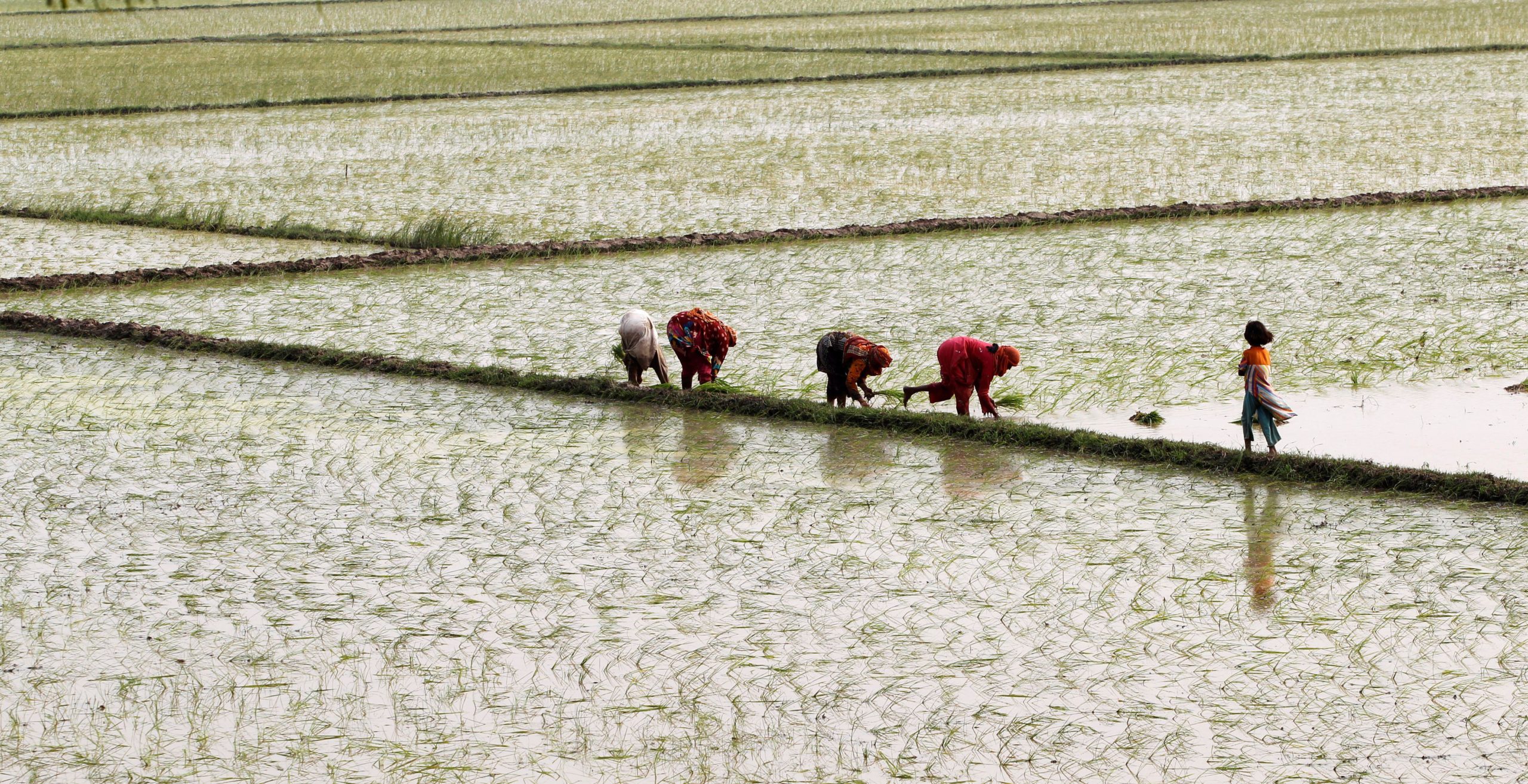
Rice is one of the most important crops of Pakistan, playing a vital role in the national economy, food security, and rural development. It is not only a major food crop for a large segment of the population but also a significant cash crop that contributes substantially to export earnings. After wheat, rice is the second most important staple food crop in Pakistan, and its cultivation supports millions of farmers, laborers, traders, and workers involved in processing and marketing. The rice sector is therefore closely linked with employment generation, poverty reduction, and overall economic growth in rural areas.
Rice cultivation in Pakistan has a long history and is deeply rooted in the country’s agricultural traditions. The crop is mainly grown during the Kharif season, with sowing starting from June to July and harvesting carried out from October to November. Rice requires a warm climate, abundant water, and fertile soil, conditions that are available in many parts of the country. The fertile plains and riverine areas provide an ideal environment for rice production, allowing Pakistan to produce both high-quality aromatic rice for export and coarse varieties for domestic consumption.
The major rice-growing provinces of Pakistan include Punjab, Sindh, and parts of Balochistan. Punjab is especially famous for producing Basmati rice, which is internationally recognized for its unique aroma, long grains, and superior cooking quality. The districts of Gujranwala, Sheikhupura, Hafizabad, and Sialkot are considered the heart of Basmati rice production. Sindh, on the other hand, mainly produces IRRI and other coarse rice varieties, which are high-yielding and widely consumed both domestically and abroad. In Balochistan, rice is cultivated on a smaller scale but still provides an important source of income for local farmers.
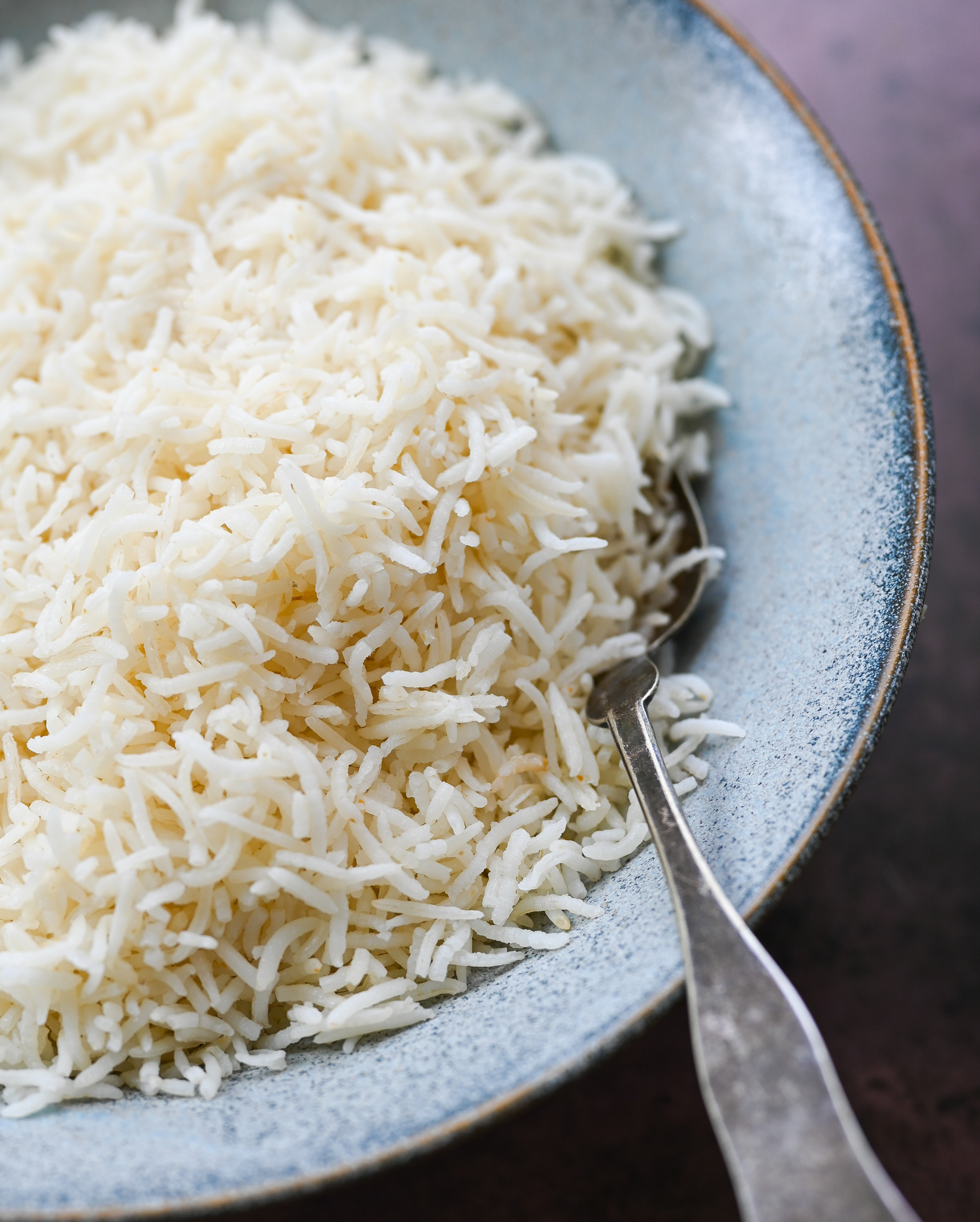
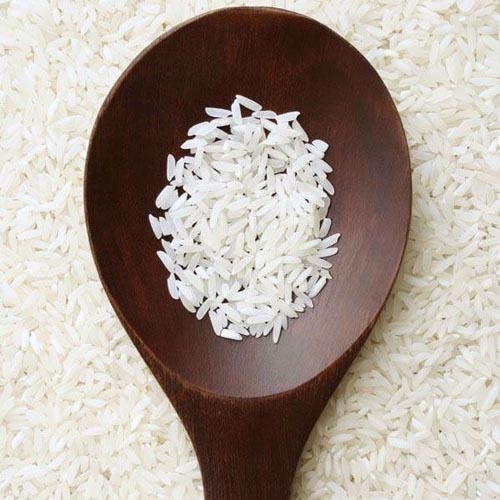


Among the various rice varieties grown in Pakistan, Basmati holds a special place due to its premium quality and high demand in international markets. Pakistani Basmati rice is exported to many countries in the Middle East, Europe, North America, and Asia, earning valuable foreign exchange for the country. Its distinctive fragrance, soft texture, and excellent taste make it a preferred choice among consumers worldwide. In addition to Basmati, Pakistan also produces non-aromatic varieties such as IRRI-6 and IRRI-9, which are valued for their higher yields and affordability.
Rice cultivation provides employment opportunities at multiple levels. From land preparation and nursery raising to transplanting, harvesting, milling, and transportation, the rice value chain engages millions of people, particularly in rural areas. Seasonal labor demand during transplanting and harvesting creates job opportunities for landless workers and small farmers. Rice mills, storage facilities, and export-related activities further contribute to employment and economic activity, making rice a key driver of rural development.
Water availability is a critical factor in rice production, as the crop requires a large amount of water compared to other cereals. In Pakistan, rice is mostly grown under irrigated conditions using canal water supplemented by tube wells. The Indus River system plays a crucial role in supplying water to rice-growing regions. However, increasing water scarcity has emerged as a major challenge for sustainable rice cultivation. Competition for water among agriculture, industry, and domestic use, along with climate-induced changes in rainfall patterns, has put pressure on water resources.
The productivity of rice in Pakistan depends on several factors, including seed quality, land preparation, fertilizer application, pest and weed management, and timely irrigation. Over the years, agricultural research institutions have developed improved rice varieties that offer higher yields, better disease resistance, and adaptability to local conditions. The use of certified seeds and modern farming practices has helped improve production levels, but adoption remains uneven, especially among small farmers who face financial and technical constraints.


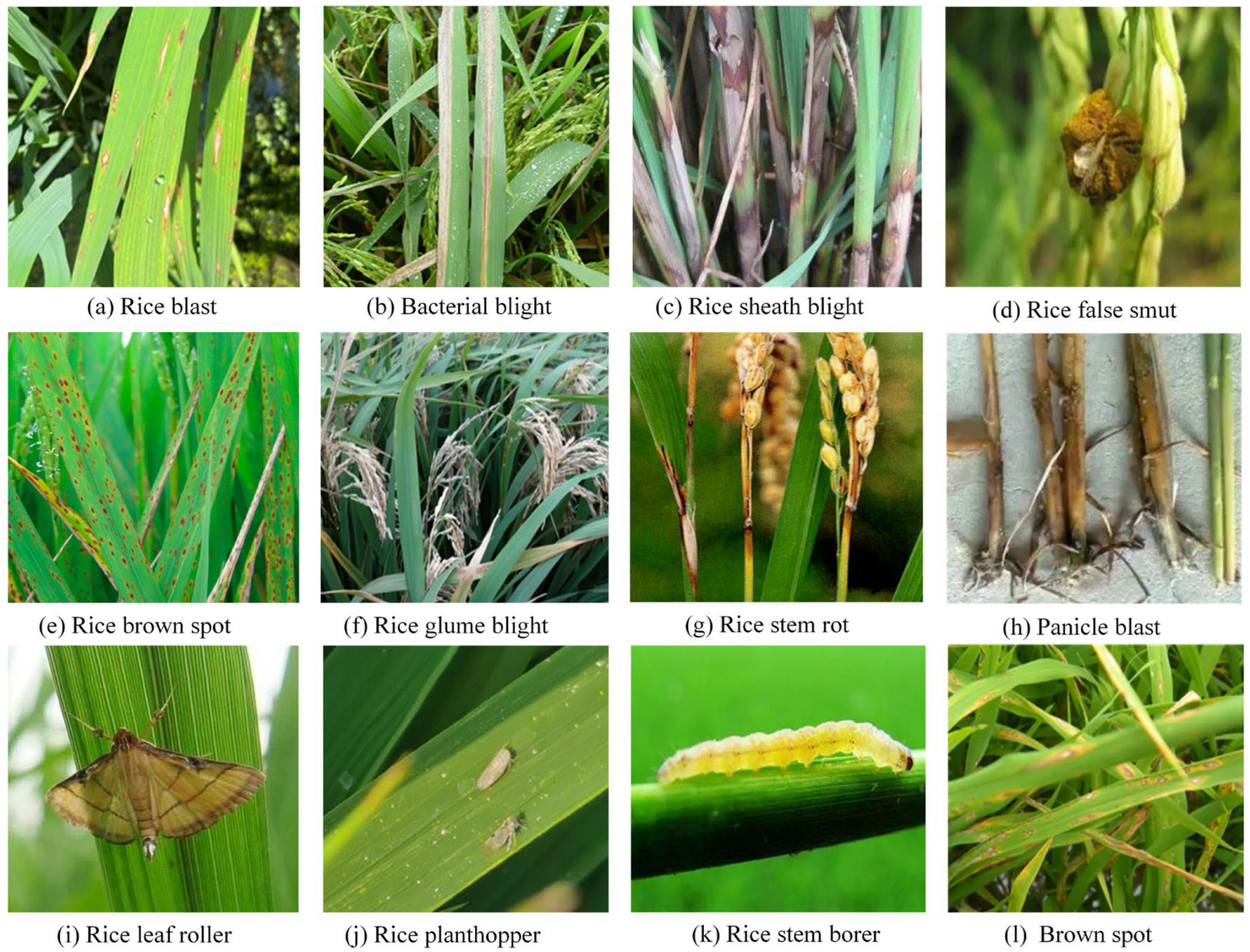
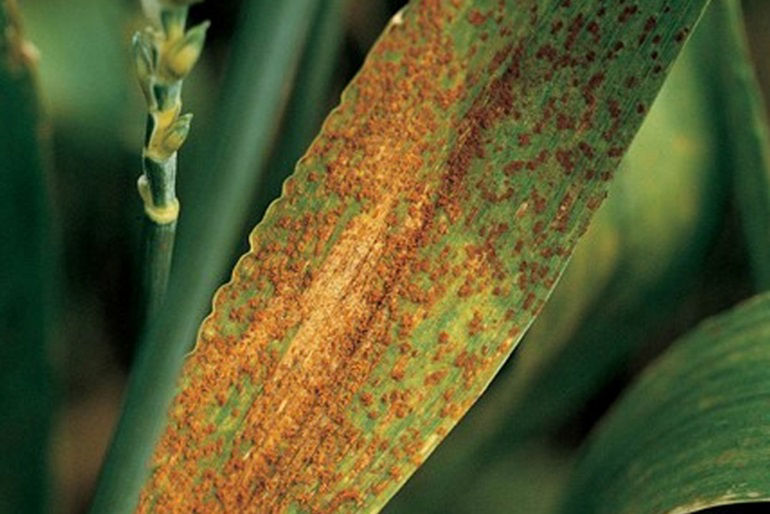
Despite its importance, the rice sector in Pakistan faces numerous challenges. Climate change poses a serious threat, as rising temperatures, floods, and irregular rainfall can negatively affect crop growth and yields. Flooding, in particular, can cause extensive damage to rice fields, while heat stress during flowering can reduce grain quality and output. Additionally, pest infestations and diseases such as bacterial leaf blight and rice blast continue to affect productivity, increasing production costs for farmers.
Another major issue is the high cost of inputs, including fertilizers, seeds, pesticides, and energy for irrigation. Rising input prices reduce profit margins for farmers and discourage investment in better farming practices. Small and medium farmers are particularly vulnerable, as they often lack access to credit and modern technology. Furthermore, inefficiencies in post-harvest handling, storage, and milling lead to quality losses and reduced market value, especially for export-quality rice.
Government policies and support play an important role in shaping the rice sector. Export policies, minimum support prices, and subsidies on inputs can influence farmers’ decisions regarding crop selection and investment. Pakistan’s rice exports contribute significantly to foreign exchange earnings, and maintaining quality standards is essential to remain competitive in international markets. Strengthening quality control, improving branding, and exploring new export destinations can help enhance the country’s position in the global rice trade.
Looking toward the future, sustainable rice production in Pakistan will require a balanced approach that focuses on increasing productivity while conserving natural resources. Water-saving technologies such as alternate wetting and drying, improved irrigation methods, and laser land leveling can help reduce water use without compromising yields. Promoting climate-resilient rice varieties and educating farmers about adaptive practices will be crucial in addressing the impacts of climate change.
In conclusion, rice is a vital crop for Pakistan’s economy, food system, and rural livelihoods. Its role as both a staple food and a major export commodity makes it strategically important for national development. While Pakistan has strong potential in rice production, challenges related to water scarcity, climate change, input costs, and post-harvest losses must be addressed. Through effective policies, investment in research and technology, and support for farmers, Pakistan can strengthen its rice sector and ensure sustainable growth, increased exports, and improved livelihoods for millions of people connected to this essential crop.