Wheat is the backbone of Pakistan’s food security


Wheat is the most important cereal crop of Pakistan and plays a central role in the country’s agricultural economy as well as in the daily diet of its people. It is the primary source of calories and protein for the majority of the population and is consumed in the form of chapati, roti, naan, and other traditional foods. Due to its importance, wheat occupies a dominant position among all crops in terms of cultivated area and total production. Millions of farmers depend on wheat cultivation for their livelihood, making it not only a food crop but also a key contributor to rural employment and income generation.
In Pakistan, wheat is mainly grown as a Rabi crop, sown from October to December and harvested from April to May. The crop thrives under cool temperatures during its early growth stages and requires warmer, dry conditions at maturity. Spring wheat is cultivated across most parts of the country, including the fertile plains of Punjab and Sindh, as well as areas of Khyber Pakhtunkhwa and Balochistan. In the northern and high-altitude regions of Balochistan, winter wheat is also grown on a limited scale, where colder conditions prevail for a longer period. The diversity of agro-climatic zones allows wheat to be grown under both irrigated and rain-fed conditions, although yields vary significantly between these systems.
Irrigated wheat accounts for the major share of total production in Pakistan. Canal irrigation, supported by tube wells, provides water to wheat fields, especially in Punjab and Sindh. Rain-fed wheat, commonly known as Barani wheat, is cultivated in areas where irrigation facilities are limited, such as the Potohar plateau and parts of Khyber Pakhtunkhwa. Although Barani areas contribute a smaller proportion to total output, they remain important for local food security. However, yields in rain-fed regions are generally lower and more vulnerable to climatic fluctuations, particularly irregular rainfall and drought.
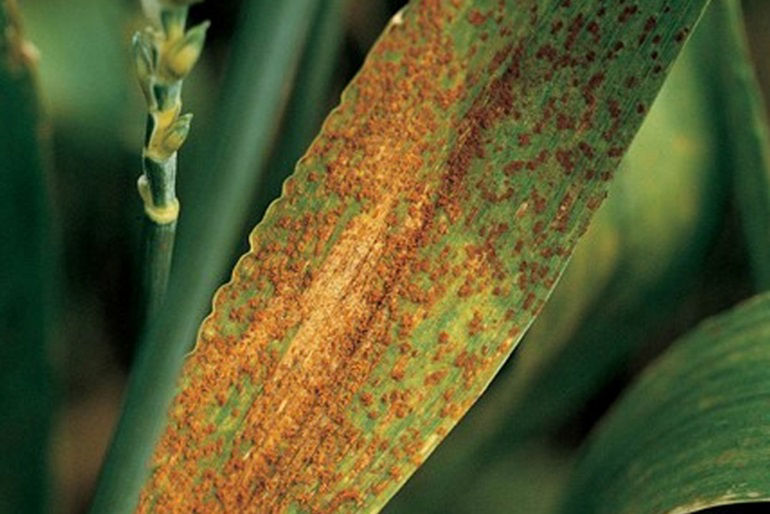
The productivity of wheat in Pakistan depends on several factors, including seed quality, soil fertility, irrigation management, fertilizer use, and pest control. Improved high-yielding varieties developed by agricultural research institutes have significantly enhanced wheat production over the years. These varieties are designed to be resistant to diseases such as rust and to perform better under local climatic conditions. The adoption of certified seeds has helped farmers achieve higher yields, but the use of traditional seed varieties is still common in many rural areas due to limited access, high costs, or lack of awareness.
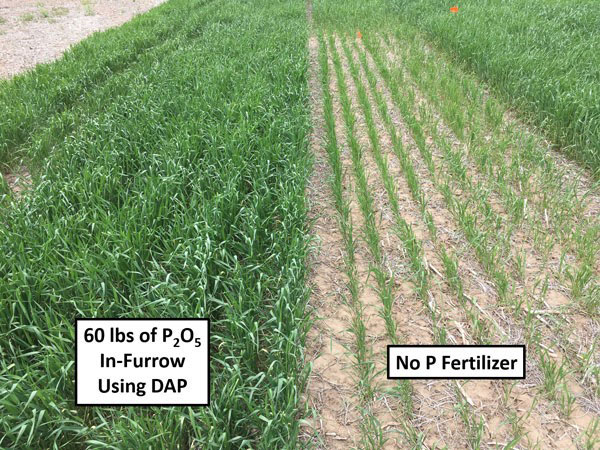

Fertilizers play a crucial role in wheat cultivation, as the crop requires adequate amounts of nitrogen, phosphorus, and potassium for healthy growth. Pakistani farmers widely use chemical fertilizers, especially urea and DAP, to boost yields. However, imbalanced fertilizer application and rising input costs have become major concerns. Many small farmers are unable to apply the recommended doses, which results in lower productivity. In addition, declining soil fertility due to continuous cropping and limited use of organic matter poses a long-term threat to sustainable wheat production.
Despite being one of the world’s major wheat-producing countries, Pakistan has struggled to achieve complete self-sufficiency in wheat. Rapid population growth has significantly increased domestic demand, putting pressure on national production. As a result, Pakistan often faces wheat shortages and is compelled to import large quantities of wheat to stabilize domestic supplies and prices. Currently, the country imports around 2 million tons of wheat annually, costing billions of rupees in foreign exchange. These imports place a heavy burden on the national economy and highlight the gap between production and consumption.
Several challenges contribute to this persistent shortfall. Climate change is one of the most serious threats to wheat production in Pakistan. Rising temperatures, unpredictable rainfall patterns, floods, and droughts directly affect crop yields. Heat stress during the grain-filling stage can significantly reduce wheat output, while excessive rainfall or floods can damage standing crops. Moreover, water scarcity has emerged as a critical issue due to increasing competition for water resources among agriculture, industry, and domestic use.
Another major challenge is the inefficiency in post-harvest management and storage. A significant portion of wheat is lost each year due to poor harvesting practices, inadequate storage facilities, and pest infestations. Traditional storage methods expose wheat to moisture, insects, and rodents, resulting in quantitative and qualitative losses. Improving storage infrastructure and adopting modern handling techniques could help reduce these losses and enhance overall food security.
Government policies play a vital role in wheat production and marketing in Pakistan. The government announces a support price for wheat each year to ensure farmers receive a minimum return for their produce. This policy encourages farmers to allocate sufficient land to wheat cultivation and helps stabilize rural incomes. Public sector agencies also procure wheat to maintain strategic reserves and regulate market prices. However, delays in procurement, limited storage capacity, and inefficiencies in the supply chain often undermine the effectiveness of these measures.
Research and extension services are essential for improving wheat productivity and sustainability. Agricultural research institutions are working on developing climate-resilient wheat varieties that can tolerate heat, drought, and salinity. Extension services aim to educate farmers about modern farming practices, efficient water use, balanced fertilization, and integrated pest management. Strengthening the link between research and farmers is crucial to ensure that new technologies are effectively adopted at the grassroots level.
Looking ahead, Pakistan’s future wheat security depends on increasing productivity rather than expanding cultivated area, as land and water resources are already under stress. Adopting modern technologies such as precision agriculture, laser land leveling, and mechanized harvesting can help improve efficiency and reduce production costs. Promoting the use of certified seeds, improving irrigation efficiency, and encouraging sustainable farming practices will be key strategies for enhancing wheat output.
In conclusion, wheat remains the backbone of Pakistan’s agriculture and food system. While the country has made significant progress in increasing production, challenges such as population growth, climate change, resource constraints, and post-harvest losses continue to hinder self-sufficiency. A comprehensive approach involving farmers, researchers, policymakers, and the private sector is needed to ensure stable and sufficient wheat supplies for the future. By investing in innovation, sustainability, and effective management, Pakistan can move closer to achieving long-term food security and reducing its dependence on costly wheat imports.